
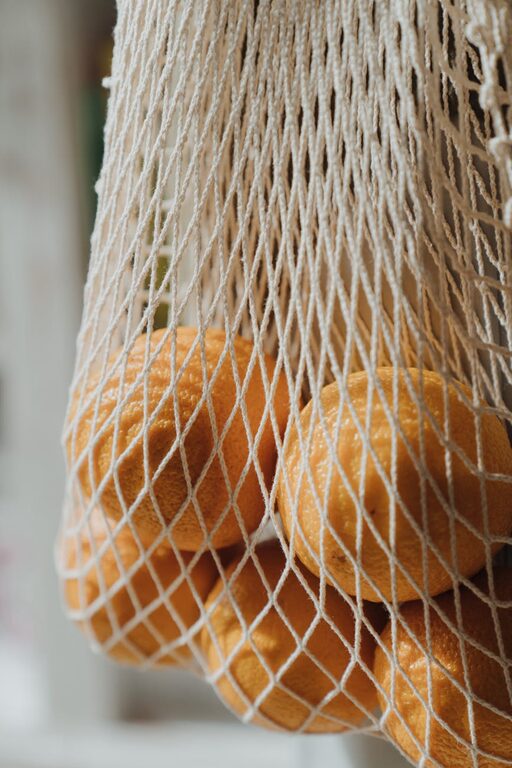
Reducing food waste at home is a win-win: it saves you money, reduces your environmental impact, and helps you keep a better-organized kitchen. According to global statistics, a large portion of food produced never gets eaten, which contributes to unnecessary waste of resources like water, energy, and labor. Taking steps to minimize food waste in your household is easier than you might think. Whether you live alone or with a family, these practical tips can help you make the most of your food.
Why Reducing Food Waste Matters
Before diving into the how, it helps to understand the why. Food waste has a significant environmental footprint. When food is thrown away, all the resources used to grow, harvest, transport, and package that food are wasted as well. Additionally, food in landfills produces methane, a greenhouse gas that contributes to climate change.
On a personal level, wasting food means wasting money. A family can save hundreds of dollars a year by cutting down on food that ends up in the trash. Beyond cost savings and environmental benefits, reducing food waste encourages healthier eating habits and better meal planning.
Tips to Reduce Food Waste at Home
1. Plan Your Meals Ahead
Planning your meals for the week keeps grocery shopping focused and prevents impulse buys that might spoil before use. Make a list of recipes, check what you already have, and note what you need to buy. This practice helps reduce excess food and ensures ingredients are used efficiently.
2. Shop Smart and Avoid Overbuying
Stick to your shopping list to avoid picking up items you don’t need. Buying in bulk can be economical but only if you can use those items before their expiration date. Choose fresh, local produce when possible, as it often lasts longer and supports local farmers.
3. Store Food Properly
Proper storage can extend the life of your groceries. For example:
– Keep leafy greens in a container lined with paper towels to absorb moisture.
– Store fruits like apples and bananas separately from vegetables to prevent premature ripening.
– Freeze leftovers or surplus ingredients to use later.
Investing in airtight containers and labeling leftovers with dates can help you keep track of what needs to be eaten first.
4. Use Leftovers Creatively
Leftovers don’t need to be boring. Think of them as ingredients for new meals. For example, roast veggies can be blended into soups, leftover rice can turn into fried rice, and extra bread can become croutons or breadcrumbs. Having a designated “leftover night” each week encourages you to clear out your fridge.
5. Understand Food Labels
“Sell by,” “Use by,” and “Best before” dates can be confusing. These dates often indicate quality rather than safety. Many foods are safe to consume after these dates if stored properly. Using your senses—sight, smell, and taste—can help determine if food is still good to eat.
6. Compost Food Scraps
Some food waste is unavoidable, like vegetable peels or coffee grounds. Composting these scraps reduces landfill waste and creates nutrient-rich soil for your garden. If you don’t have a garden, many communities offer compost pickup services or local drop-off sites.
7. Practice Portion Control
Serving reasonable portions helps avoid uneaten food on plates. If you still have food left at the end of meals, save it for later rather than tossing it. Being mindful of portions also contributes to healthier eating.
8. Donate Surplus Food
If you have unopened, non-perishable food items you don’t need, consider donating them to local food banks or shelters. This supports people in need and reduces waste.
9. Keep Your Pantry Organized
An organized pantry and fridge make it easier to see what you have before buying more. Place new items behind older ones to use the older items first. Regularly check expiration dates and use or freeze items before they spoil.
Simple Tools to Help Reduce Food Waste
– Meal Planning Apps: These apps assist with recipe ideas based on what’s in your kitchen.
– Smart Storage Containers: These often have features to keep food fresher longer.
– Leftover Recipe Books: Books dedicated to transforming leftovers boost inspiration.
Final Thoughts
Reducing food waste at home doesn’t require drastic changes—small, consistent habits can make a big impact over time. By planning meals, shopping wisely, storing food correctly, and creatively using leftovers, you save money and help protect the environment. Start with one or two tips today and build from there. Every little effort counts in building a more sustainable home.
Reducing food waste is a simple yet powerful step toward mindful living. Your kitchen can be both a resource-savvy and waste-conscious space with these easy habits. Happy cooking and conserving!