
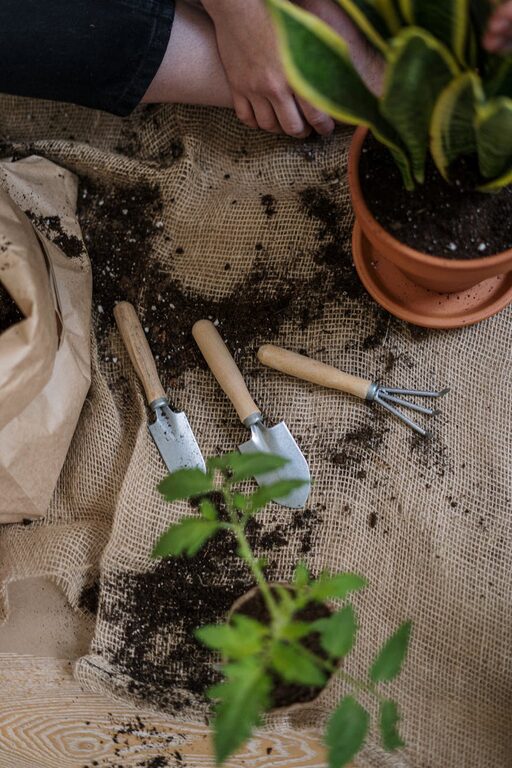
Starting a small herb garden indoors is a rewarding and practical way to bring fresh flavors and greenery into your home year-round. Whether you have a sunny windowsill or limited space, growing herbs indoors can be easy and enjoyable. This guide will walk you through everything you need to know to set up your own indoor herb garden, maintain it, and make the most of your fresh herbs.
Why Grow Herbs Indoors?
Growing herbs indoors offers several benefits:
– Freshness: Harvest herbs whenever you need them, ensuring peak flavor.
– Convenience: No need for a backyard or outdoor space.
– Aesthetic appeal: Herbs add greenery and a pleasant scent to any room.
– Cost-effective: Save money by growing your own instead of buying fresh herbs.
– Health benefits: Fresh herbs can boost the flavor of your meals and may have mild nutritional benefits.
Choosing the Right Herbs for Indoor Gardening
Not all herbs thrive equally well indoors, so it’s best to start with easy-to-grow varieties. Some popular beginner-friendly herbs include:
– Basil: Loves warmth and sunlight; great for cooking.
– Parsley: Tolerates moderate light; adds freshness to salads and dishes.
– Mint: Grows vigorously and can tolerate lower light; good for teas and garnishes.
– Thyme: Prefers bright light and well-drained soil; excellent for seasoning.
– Chives: Hardy and easy to care for; perfect for garnishing.
– Oregano: Thrives in bright light; commonly used in Mediterranean cooking.
– Cilantro: Prefers cooler temperatures and bright light; use fresh in many dishes.
Supplies You’ll Need
Before starting, gather these basic items:
– Containers: Pots with drainage holes to prevent waterlogging.
– Potting mix: A lightweight, well-draining soil mix designed for herbs or indoor plants.
– Seeds or seedlings: Choose based on availability and your preference.
– Light source: A sunny window or grow light if natural light is insufficient.
– Watering can or spray bottle: For gentle watering.
– Fertilizer: Optional, a balanced liquid fertilizer formulated for herbs.
Step-by-Step Guide to Starting Your Herb Garden Indoors
Step 1: Select a Suitable Location
Most herbs need at least 6 hours of direct or bright indirect sunlight daily. A south-facing window is ideal. If your space lacks sufficient natural light, consider a full-spectrum LED grow light, which mimics sunlight and supports healthy growth.
Step 2: Prepare Your Containers
Choose pots that are appropriately sized — generally 4 to 6 inches in diameter for each herb. Ensure each pot has drainage holes to avoid root rot. Place a small mesh or pottery shard at the bottom to prevent soil from washing out.
Step 3: Fill Pots with Potting Mix
Use a well-draining potting mix designed for indoor plants or herbs. Fill each container loosely, leaving about half an inch from the rim. Light soil allows roots to spread and access air.
Step 4: Plant Seeds or Transplants
– Seeds: Follow packet instructions for depth and spacing. Typically, plant seeds about twice as deep as their size and cover lightly with soil.
– Seedlings: Gently remove them from their nursery pots and plant at the same soil level in your container.
Water the soil gently after planting to settle the seeds or roots.
Step 5: Water and Care
Water your herbs when the top inch of soil feels dry. Avoid overwatering, which can cause mold or root rot. Herbs generally prefer slightly dry conditions over soggy soil. Mist leaves occasionally if the air is dry.
Provide adequate air circulation around your plants to prevent fungal issues.
Step 6: Provide Proper Lighting
If using natural sunlight, rotate pots every few days so all sides receive light evenly. For grow lights, place them 6 to 12 inches above the plants and leave them on for about 12-16 hours daily.
Step 7: Fertilize Occasionally
Herbs don’t need much fertilizer. Use a diluted, balanced liquid fertilizer every 4-6 weeks during the growing season to encourage healthy foliage.
Step 8: Harvest Regularly
Harvest herbs by snipping leaves or stems as needed, but avoid removing more than one-third of the plant at a time. Regular trimming encourages bushier growth and prevents herbs from becoming leggy.
Tips for Success
– Start small: Begin with 3-5 herbs and expand as you gain confidence.
– Mind the humidity: Indoor air can be dry; use a humidity tray or mist plants.
– Watch for pests: Indoor plants can attract aphids or spider mites; inspect regularly.
– Know your herb’s needs: Some herbs prefer desktop temperatures around 65-75°F (18-24°C).
– Use multi-herb planters: Consider planting compatible herbs together in larger containers.
Common Challenges and Solutions
| Challenge | Cause | Solution |
|——————–|—————————————|———————————–|
| Wilting leaves | Underwatering or overwatering | Adjust watering schedule |
| Yellowing leaves | Nutrient deficiency or poor light | Fertilize lightly; increase light |
| Leggy stems | Insufficient light | Provide more light, rotate plants |
| Mold or fungus | Excess moisture, poor airflow | Improve ventilation, reduce watering|
| Slow growth | Too cold or low light | Raise temperature, add grow light |
Final Thoughts
Starting a small herb garden indoors is a satisfying way to connect with nature and enhance your cooking with fresh ingredients. With the right herbs, containers, light, and care, you can enjoy a thriving little garden all year round — even in a small apartment or office space.
Try experimenting with different herbs and growing setups to find what works best for you. Happy gardening!